


GEOSPATIAL FRONTIERS
A Publication by Project Geospatial
LOOKING BEYOND
THE MAP
Geospatial Frontiers, a new publication from Project Geospatial, brings together leading voices and experts from across the geospatial ecosystem to tackle the industry's most pressing challenges. Through in-depth articles and discussions, Geospatial Frontiers aims to explore innovative solutions and spark critical conversations that will shape the future of geospatial technology and its applications.
AUTHORS

Adam Simmons

Keith Barber

Fred Woods
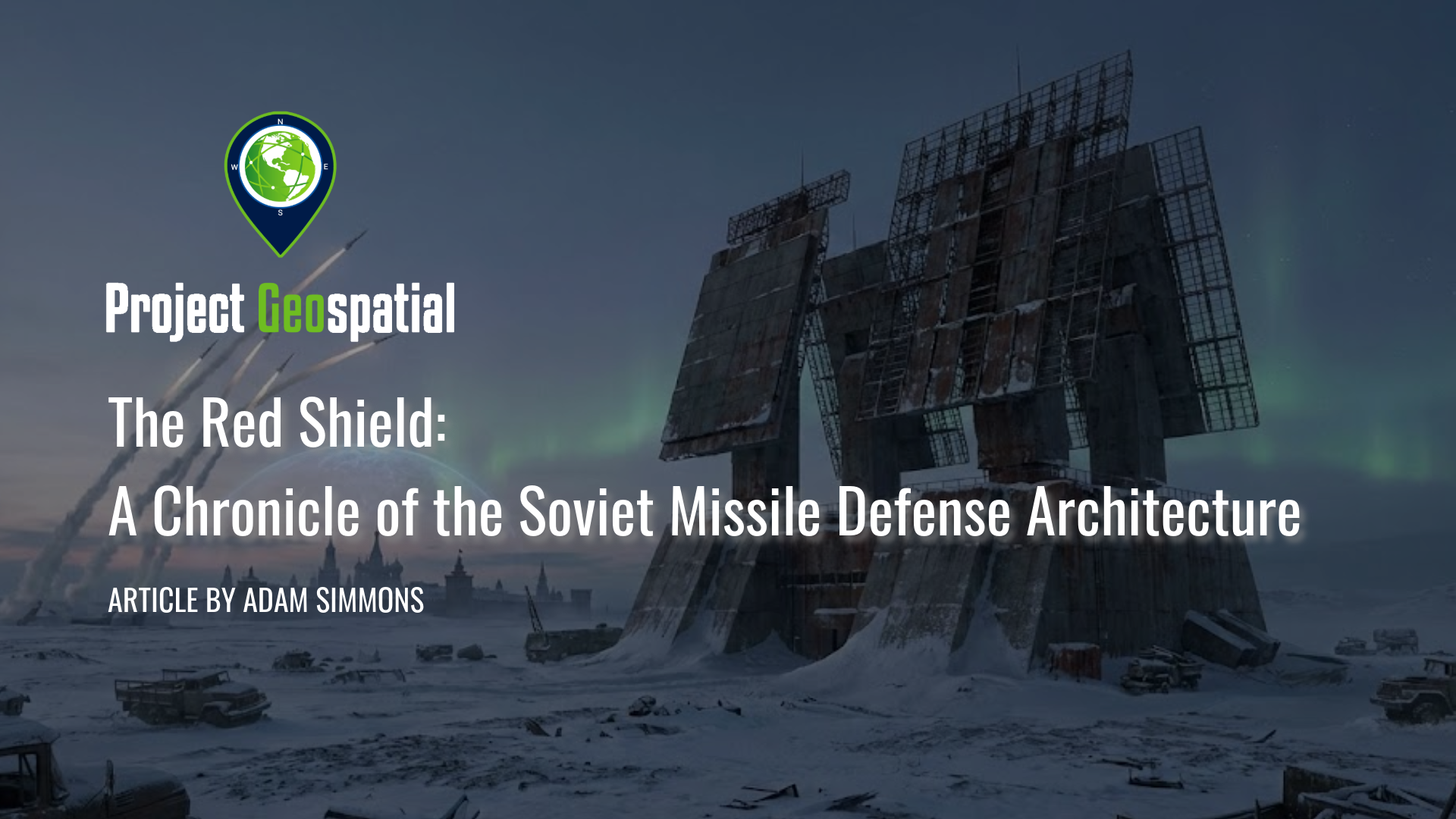
The Red Shield: A Chronicle of the Soviet Missile Defense Architecture
Uncover the concrete legacy of the Cold War’s largest fortress in The Red Shield. The third installment of the "Geospatial Frontiers" series crosses the Iron Curtain to map the PVO Strany—the Soviet Union’s colossal air and missile defense network. Through historical GIS analysis, we expose the "Ring of Steel" that encircled the USSR, contrasting the Soviet Union’s "citadel" strategy with the point-defenses of the West. From the haunting ruins of the "Russian Woodpecker" and the Sary Shagan testing grounds to the operational Don-2N pyramid guarding Moscow, this chronicle reveals a landscape shaped by existential paranoia and technological maximalism. Explore the physical geography of a superpower that built a defense network designed not just to fight a war, but to survive the apocalypse.
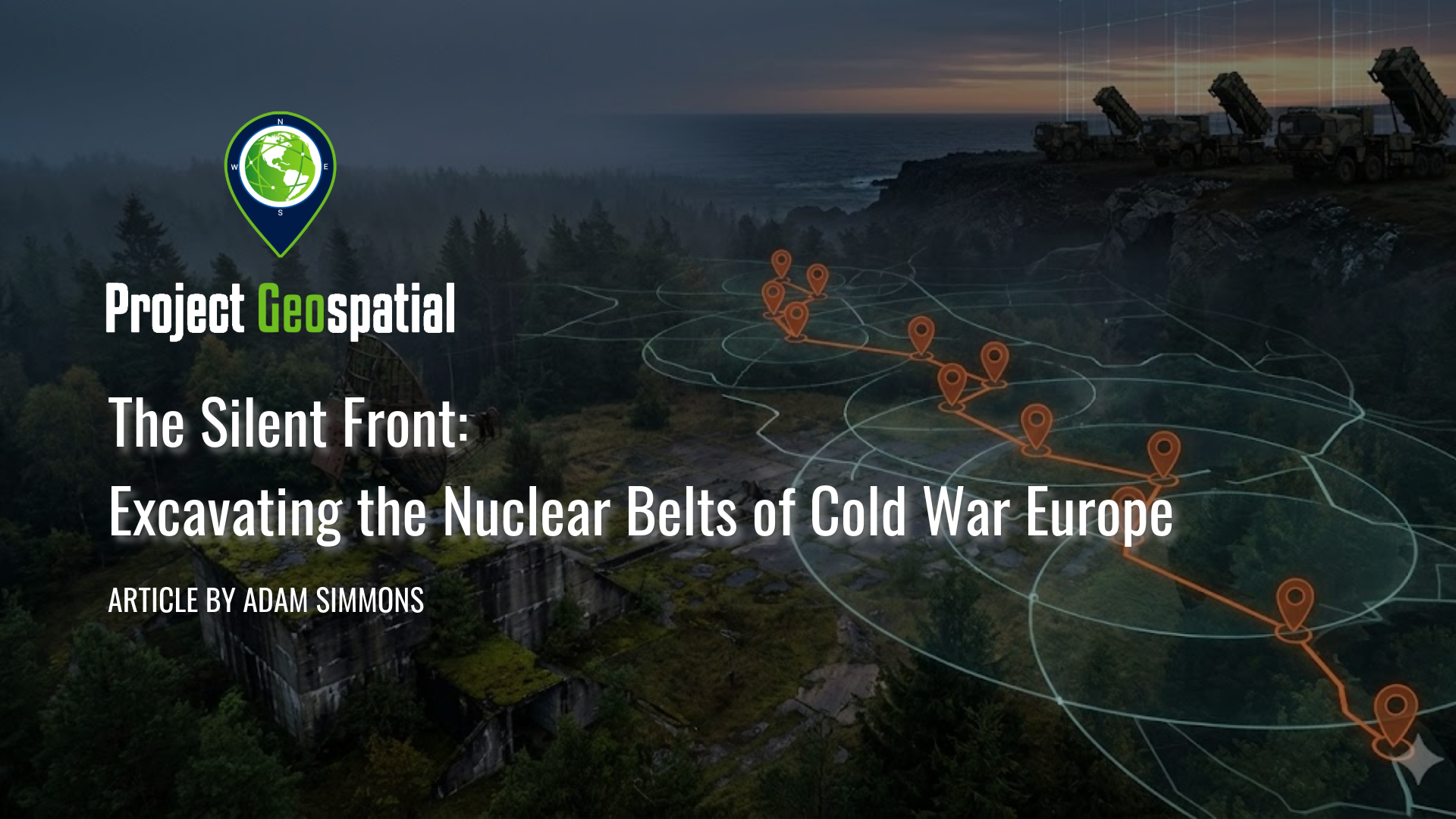
The Silent Front: Excavating the Nuclear Belts of Cold War Europe
Uncover the forgotten geography of the Cold War through a forensic investigation of the "Nike Belt," a continuous chain of nuclear-capable missile batteries that once shielded Western Europe from the North Sea to the Alps. By overlaying "archive missile defense KML" files onto modern satellite imagery, this article reveals the "Silent Front" where the US Army's 59th Ordnance Brigade served as custodial agents for tactical nuclear warheads on foreign soil. From the restored high-altitude launch pads of Base Tuono to the forest-reclaimed ruins of the Sauerland, explore a "digital archaeology" of the "Belt of Fire"—a defense system where the protection of land often necessitated its potential irradiation.

The Concrete Archipelagos: A Geospatial Excavation of Project NIKE and the Architecture of American Nuclear Defense
Discover the forgotten "Ring of Steel" that once protected America's cities from Soviet bombers. Based on a remarkable crowdsourced Google Earth KML file from a hobbyist imagery analyst, this article unveils the sprawling network of Project NIKE missile sites. Explore the history of this massive Cold War missile defense system, from the initial Nike Ajax to the nuclear-armed Nike Hercules, and see how these batteries formed defensive shields around vital population centers and industrial hubs. This journey through geospatial history not only illuminates a hidden era of national defense but also sparks a thought-provoking reflection on what constitutes critical infrastructure—from data centers to advanced manufacturing—in our modern world.